Choosing between woods isn't like choosing between phone cases. Each material brings its own scent, its own feel against the skin, its own aging curve — and, in the Chinese tradition, its own character. Here's how to find yours.
Red Sandalwood (Xiǎo Yè Zǐtán) — the Emperor's Wood
Pterocarpus santalinus grows so slowly that a genuinely mature trunk takes centuries, which is why Qing-dynasty emperors reserved the finest stock for palace furniture. The wood is dense enough to sink in water, with a fine, almost silky grain. New beads start crimson-brown and deepen dramatically with wear — red sandalwood produces the most spectacular patina of any bead material. In traditional Chinese belief it is a grounding, steadying wood. If you want a bracelet that becomes more beautiful every year you own it, this is the one.
Sandalwood (Tánxiāng) — the Temple Fragrance
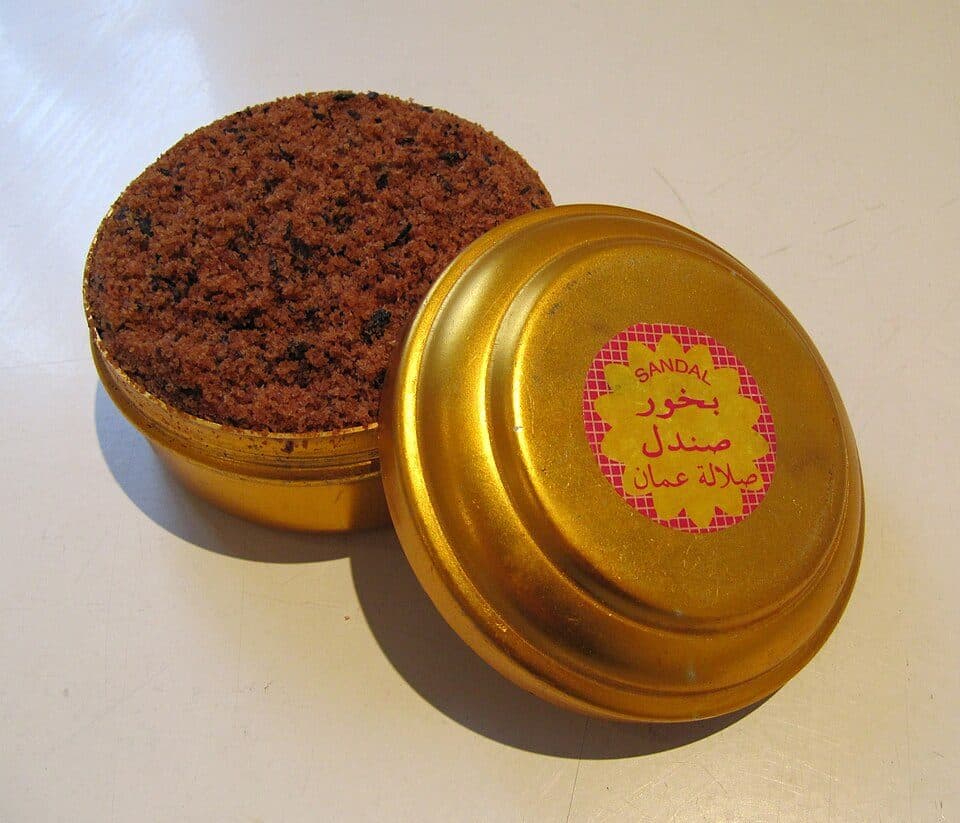
True sandalwood is perfumed wood — its heartwood carries a warm, milky, quietly sweet aroma that can persist for years. This is the wood of temples and incense across Asia; its scent has been used for centuries to settle the mind before meditation and sleep. The color is pale gold to honey cream, and it pairs beautifully with both silver and gold. Choose sandalwood if scent matters to you — many owners describe catching a soft wave of fragrance each time they raise their wrist.
Agarwood (Chénxiāng) — the Scholar's Treasure
The rarest story in the wood world: agarwood forms only when Aquilaria trees are wounded and respond by producing a dark, fragrant resin. Infected wood becomes precious beyond its weight in gold — Chinese scholars burned it while reading, and Japanese tea masters built entire ceremonies around its smoke. The scent is deep, resinous, bittersweet, unlike anything else. Agarwood beads are heirloom-grade objects, usually small and understated, treasured precisely because such wood simply cannot be manufactured.
Bodhi Seeds (Pútí) — the Awakening Seed
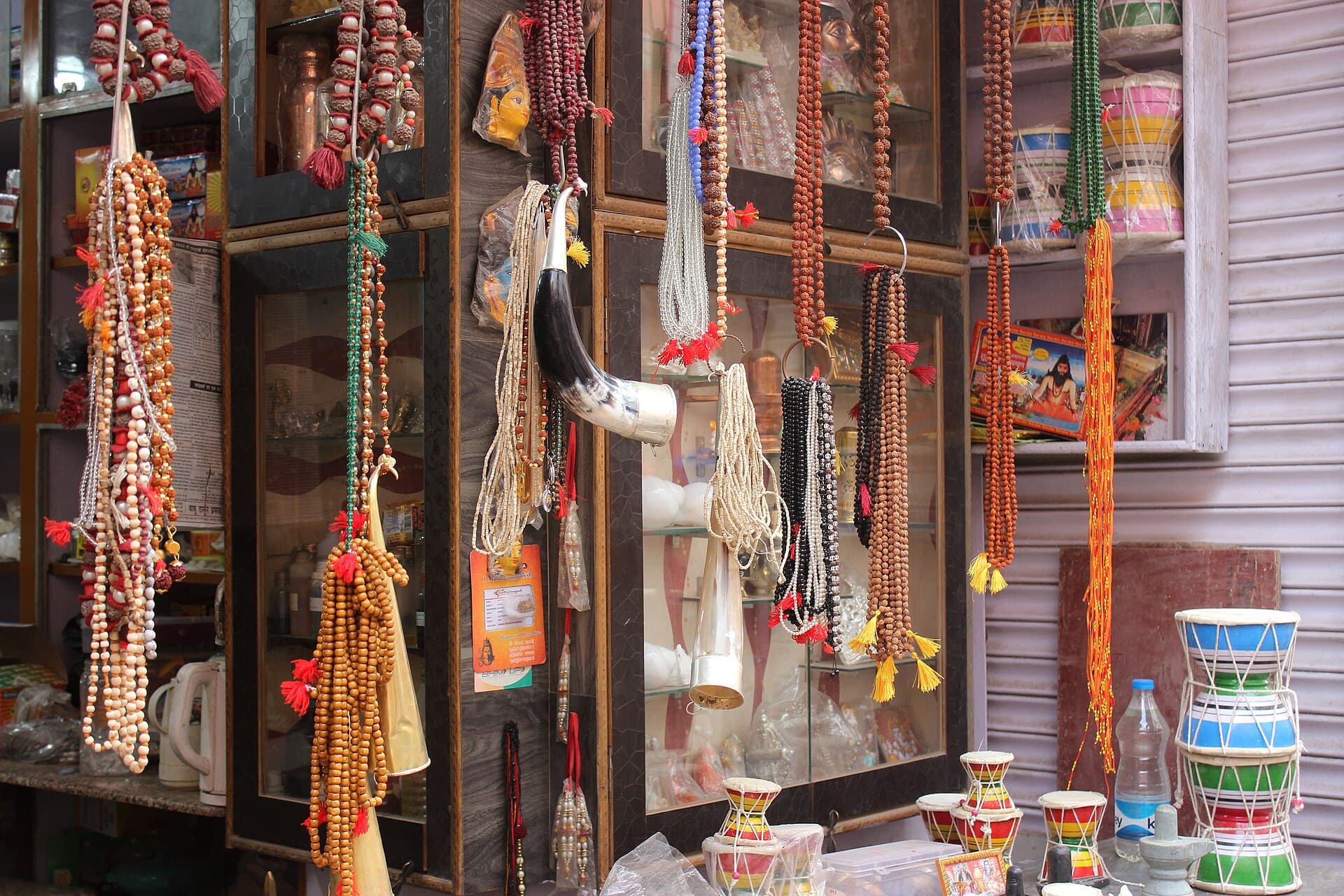
Technically not wood at all, bodhi beads are the seeds of trees in the Ficus family — the same genus as the tree beneath which the Buddha sat. They're feather-light, pleasantly textured, and darken gracefully with handling. Varieties like moon-and-star bodhi reveal natural patterns in every seed. For anyone drawn to the meditative roots of bead culture, bodhi is the most direct connection — humble, honest, and deeply traditional.
Which One Is Yours?
- Want a patina journey — a bracelet that transforms with you: choose red sandalwood.
- Want living fragrance and temple calm: choose sandalwood.
- Want the rarest, most storied wood in the world: agarwood, without hesitation.
- Want lightness and meditative heritage: bodhi seeds.
One honest note: traditional lore attributes calming or balancing properties to these woods, and we honor that heritage — but we make no medical promises. What we can promise is real material, real age-old character, and a piece that grows more personal the longer it lives with you.
Wear the story yourself
Hand-finished wooden bead bracelets, crafted in Xianyou and shipped worldwide.
EXPLORE THE COLLECTION