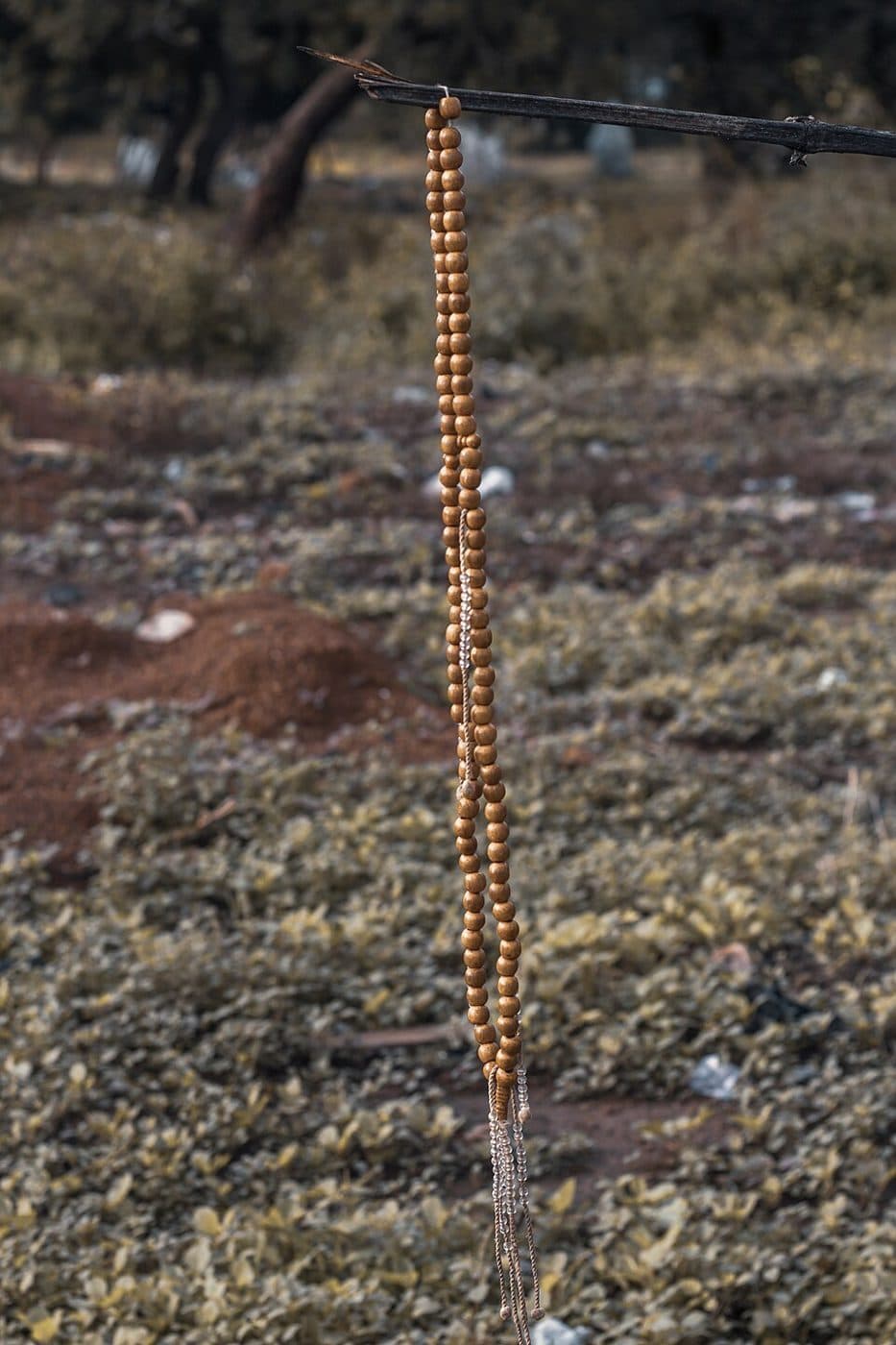
Wooden bead bracelets are everywhere now — on commuters, at dinner tables, wrapped twice around wrists from Tokyo to New York. But long before they were accessories, they were instruments: tools for counting prayers, steadying breath, and focusing the mind. Understanding where they come from makes wearing one feel very different.
From Temple to Street
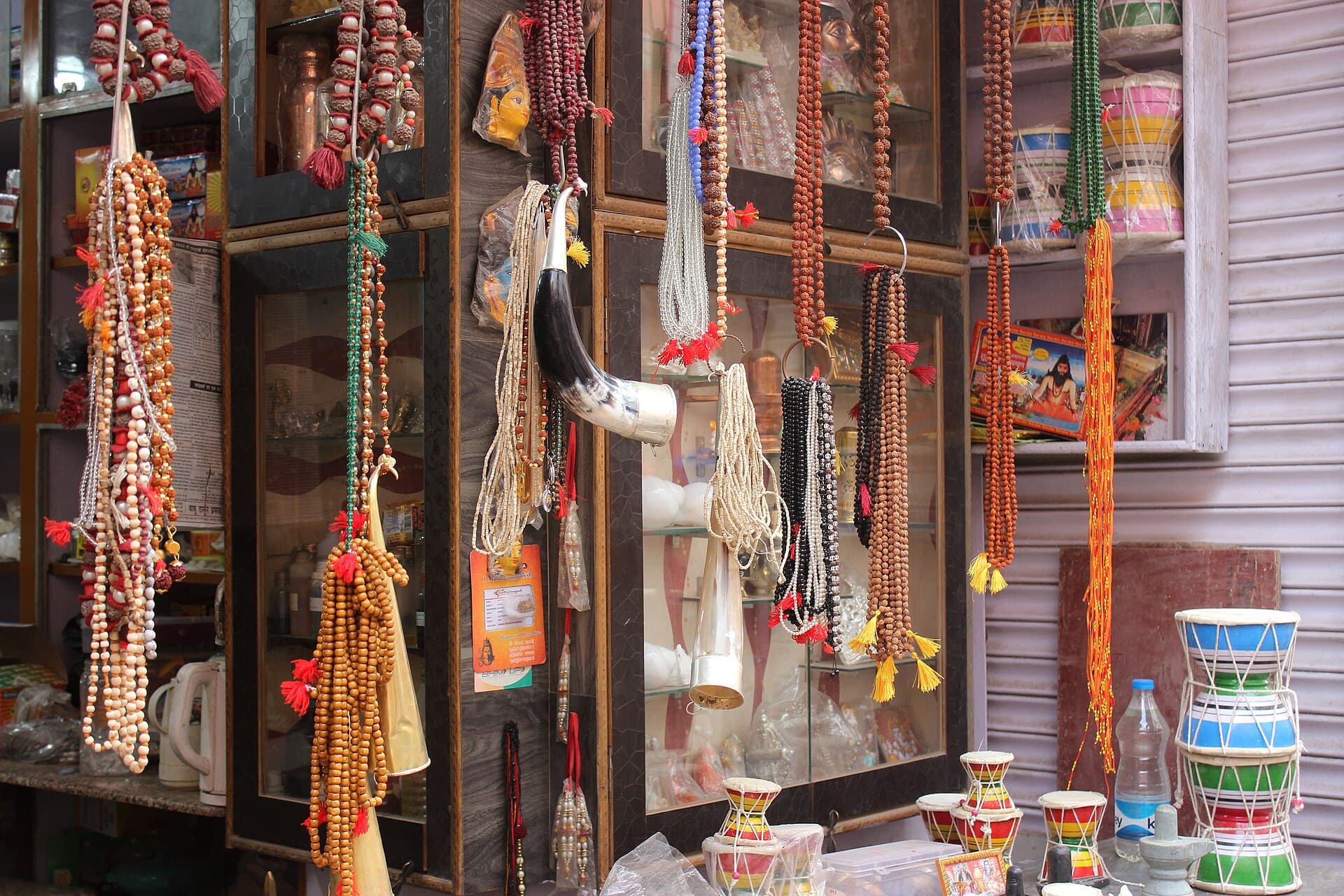
The practice began in ancient India, where strands of beads called malas helped practitioners count mantras during meditation — one bead per recitation, so the mind could stay with the words instead of the arithmetic. As Buddhism traveled along trade routes, so did the beads: to China, where they became shuzhu; to Japan as juzu; into Tibet, where malas grew heavier, darker, and more personal, often worn smooth by decades of a single owner's fingers.
Why 108?
The number isn't arbitrary. In Buddhist teaching, 108 represents the earthly desires and attachments that cloud the mind — reciting through a full mala is a quiet act of working through them one bead at a time. Other traditions offer lovelier geometry: 27 lunar mansions in Vedic astronomy, multiplied by four; or simply 108 as a number that recurs across Indian cosmology like a fingerprint.
- 108 beads — the full mala, worn wrapped several times around the wrist
- 54 and 27 beads — practical divisions of the same count
- 18 beads — a common wrist size, echoing the 18 realms of perception
- 12 beads — compact, symbolic of the twelve links of dependence
The Materials Carried Meaning Too
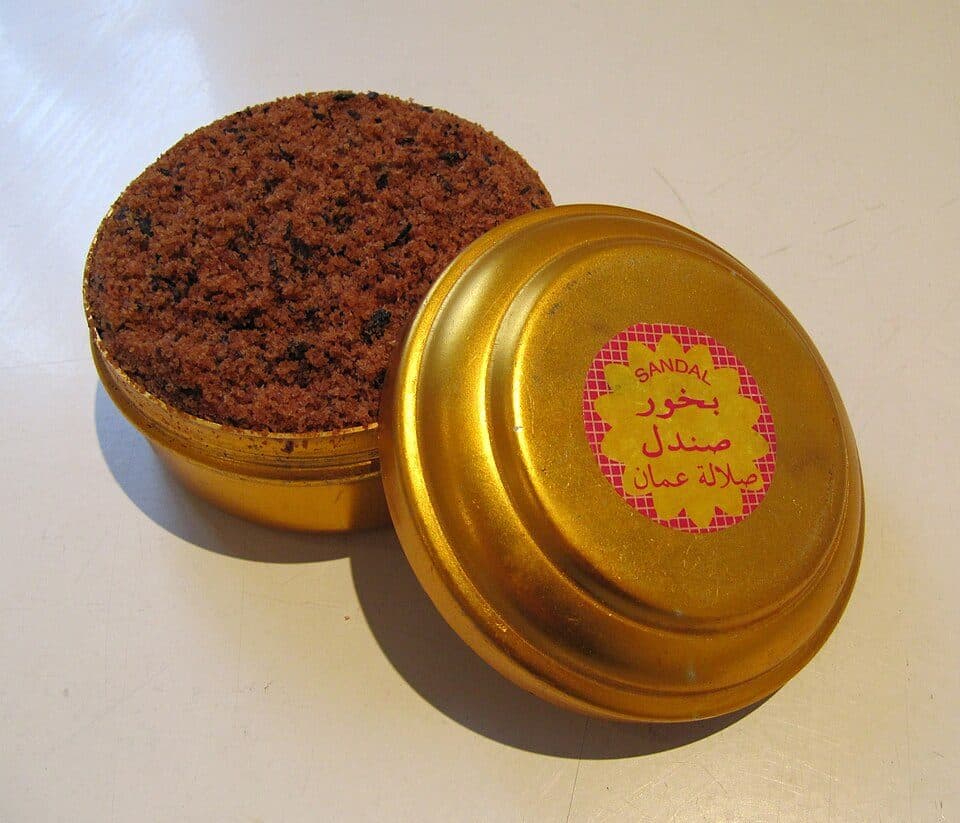
Monks didn't choose wood by accident. Bodhi seeds connected the wearer to the tree beneath which the Buddha awakened. Sandalwood was ground for incense in temples across Asia — its fragrance considered conducive to calm. Agarwood, rarer still, was treasured by Chinese scholars who burned it while reading and writing. The material was part of the practice, never just a container for it.
Wearing Them Today
You don't need to be Buddhist to wear a mala any more than you need to be Roman to wear a laurel crown. Millions of people wear wooden beads simply as a mindfulness anchor — something to touch during a stressful meeting, a physical cue to take one slow breath.
But it's worth holding the history respectfully: these are objects that carried people's deepest intentions for two thousand years. Treat yours not as disposable jewelry, but as a small instrument — one that happens to look beautiful with everything.
A mala is not an ornament. It is a rhythm you carry on your wrist.
Wear the story yourself
Hand-finished wooden bead bracelets, crafted in Xianyou and shipped worldwide.
EXPLORE THE COLLECTION